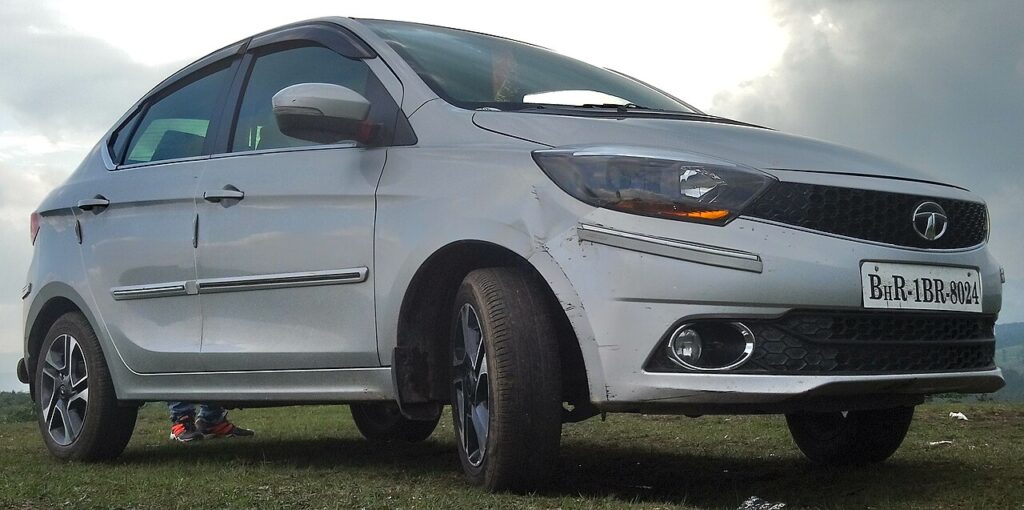
Tata Car Price Hike: Smart Ways to Safeguard Your Budget
Tata car price hike is a significant move aimed at safeguarding margins. This decision reflects the challenges faced by the automotive industry in maintaining profitability while meeting consumer demands.
Understanding the Tata Car Price Hike
The recent decision by Tata to implement a car price hike has raised concerns among potential buyers and current owners alike. This move is primarily aimed at safeguarding profit margins amidst increasing costs in production and supply chain challenges.
As the automotive industry continues to face inflationary pressures, Tata’s price adjustments reflect a broader trend impacting various manufacturers. Customers are left wondering how this price hike will affect their budget and purchasing decisions.
To better understand the implications of the Tata car price hike, consider the following factors:
- Market Trends: Analyzing current market trends can provide insights into how Tata’s pricing strategy aligns with the competition.
- Model Variations: Different models may experience varying degrees of price increases, affecting buyer choices.
- Long-Term Value: Investing in a Tata vehicle may still offer long-term savings despite the initial price increase due to reliability and resale value.
Staying informed about these changes is crucial for consumers looking to make wise financial decisions in the face of rising automotive prices.
Reasons Behind the Price Increase
The recent announcement regarding the Tata car price hike has raised concerns among potential buyers and enthusiasts alike. Several factors have contributed to this decision, which aims to safeguard the company’s margins in a competitive market.
- Rising Raw Material Costs: The automotive industry has been significantly impacted by rising costs of raw materials, including steel and aluminum, which are essential for car manufacturing.
- Supply Chain Disruptions: Ongoing disruptions in global supply chains have led to delays and increased costs for manufacturers, pushing them to adjust their pricing strategies.
- Inflationary Pressures: General economic inflation has affected various sectors, prompting companies like Tata to reassess their pricing structures to maintain profitability.
- Regulatory Changes: New regulations regarding emissions and safety standards may necessitate additional investments in technology and production processes, further influencing the price hike.
As consumers navigate this landscape, understanding the reasons behind the Tata car price hike can help them make informed decisions and prepare their budgets accordingly.
Impact on Consumers and Buyers
The recent Tata car price hike has raised concerns among potential buyers and existing customers alike. As consumers navigate this new pricing landscape, it is essential to understand how these increases may impact their budgets.
For many, purchasing a vehicle is a significant financial decision. The price hike could lead to:
- Increased Monthly Payments: With higher prices, buyers may face larger monthly installments, affecting their overall financial health.
- Delayed Purchases: Some consumers may choose to postpone their car purchases, hoping for more favorable pricing in the future.
- Budget Reassessment: Families might need to reevaluate their budgets, prioritizing essential expenses over luxury purchases.
In light of these changes, it is crucial for buyers to explore options that can help mitigate the impact of the Tata car price hike. This may include:
- Researching Financing Options: Exploring various loan options to find the best interest rates.
- Considering Used Vehicles: Opting for pre-owned Tata models could provide a more budget-friendly alternative.
Ultimately, staying informed and proactive can help consumers navigate the challenges posed by increasing prices.
Market Trends in the Automotive Industry
The automotive industry is currently experiencing significant fluctuations, prompting many manufacturers to reevaluate their pricing strategies. One of the most notable trends is the recent Tata car price hike, which reflects broader market conditions and the need for companies to maintain healthy profit margins.
Several factors are influencing these market trends:
- Supply Chain Challenges: Ongoing disruptions in the supply chain have led to increased costs for raw materials and components, forcing manufacturers to adjust their pricing.
- Technological Advancements: As car manufacturers invest in electric and hybrid technologies, the associated research and development costs also contribute to price adjustments.
- Consumer Preferences: With a shift towards more sustainable and feature-rich vehicles, companies like Tata are responding to demand, often resulting in higher prices.
- Competitive Landscape: The competitive nature of the automotive market encourages brands to strategically price their products while balancing quality and affordability.
As a result of these trends, potential buyers need to stay informed and consider how the Tata car price hike may affect their purchasing decisions in the near future.
Comparing Tata Cars with Competitors
When considering a purchase in the automotive market, it’s essential to compare Tata cars with their competitors, especially in light of the recent Tata car price hike. Many consumers are searching for value, and understanding how Tata’s offerings stack up against rival brands can help make an informed decision.
Among the key competitors in the market are:
- Maruti Suzuki: Known for affordability and a wide service network, they often provide a budget-friendly alternative.
- Hyundai: Offers modern features and a stylish design, appealing to those looking for a more premium feel.
- Kia: Gaining traction with its innovative designs and competitive pricing, Kia is a brand to watch.
While Tata cars have built a reputation for durability and safety, the recent price adjustment may influence consumer choices. Buyers should weigh the benefits of Tata vehicles, such as their robust build quality and fuel efficiency, against the alternatives available in the market. As the automotive landscape evolves, keeping an eye on how Tata’s pricing strategy aligns with competitors will be crucial for budget-conscious consumers.
Future Predictions for Car Prices
As the automotive industry continues to adapt to fluctuating market conditions, predictions regarding future car prices remain a topic of great interest. Experts suggest that the Tata car price hike may not be an isolated event but rather a precursor to broader adjustments across the market.
Several factors are expected to influence car prices in the coming months:
- Raw Material Costs: With global supply chain disruptions, the cost of essential materials is likely to remain high, which could lead to further price increases.
- Technological Advancements: The push towards electric vehicles and advanced safety features may necessitate higher prices as companies invest in new technologies.
- Competition: As competitors react to Tata’s price strategies, adjustments in pricing models may emerge, impacting overall market pricing.
- Consumer Demand: A shift in consumer preferences could also play a pivotal role. If demand for certain vehicle types increases, manufacturers might adjust prices accordingly.
In light of these predictions, consumers are encouraged to stay informed and consider their budgets carefully when planning future purchases. Understanding these trends will be crucial in navigating the evolving landscape of car prices.
How to Navigate Price Changes
The recent Tata car price hike has raised concerns among consumers, but there are several strategies to navigate these changes effectively. Being proactive can help you manage your budget while still making informed purchasing decisions.
First, consider researching and comparing different models within the Tata lineup. This can help identify vehicles that offer the best value for your money, even after the price increase. Additionally, check for any ongoing promotions or financing options that could offset the impact of higher prices.
- Timing Your Purchase: Buying a car during festive seasons or year-end sales may result in better deals despite the price hikes.
- Negotiating: Don’t hesitate to negotiate the price with dealers. They may have some flexibility, especially with trade-ins.
- Exploring Alternatives: If the Tata car price hike is too steep, consider looking at pre-owned Tata vehicles, which can provide significant savings.
- Assessing Total Cost of Ownership: Evaluate fuel efficiency, maintenance costs, and resale value to ensure you are making a wise investment.
By staying informed and exploring all options, consumers can mitigate the effects of the Tata car price hike and make financially sound decisions.
Advice for Potential Buyers
As potential buyers navigate the current automotive landscape, it is essential to consider smart strategies for managing budgets amid the recent Tata car price hike. Understanding the implications of this increase can help consumers make informed decisions.
One effective approach is to conduct thorough research on the specific models you are interested in. This not only includes their current prices but also potential upcoming features and technology enhancements. Additionally, buyers should keep an eye on promotional offers from dealerships that may counteract the effects of price increases.
Another important tip is to evaluate financing options carefully. With various interest rates available, securing a favorable loan can help cushion the impact of rising prices. Furthermore, consider purchasing during off-peak seasons when demand might be lower, potentially leading to better deals.
Lastly, it is wise to remain flexible with your choice of models. While Tata cars offer a range of features, exploring alternatives from other manufacturers might provide better value for your budget. By employing these strategies, potential buyers can safeguard their finances despite the Tata car price hike and make well-informed purchasing decisions.
Read the original
You might also like
Audi Q3 local assembly: Best proven strategy for India · Tata Aeris launch India: Best Smart Car at Rs 5.29 Lakh · Varmora Granito IPO allotment: Quick Steps to Check Status