 11
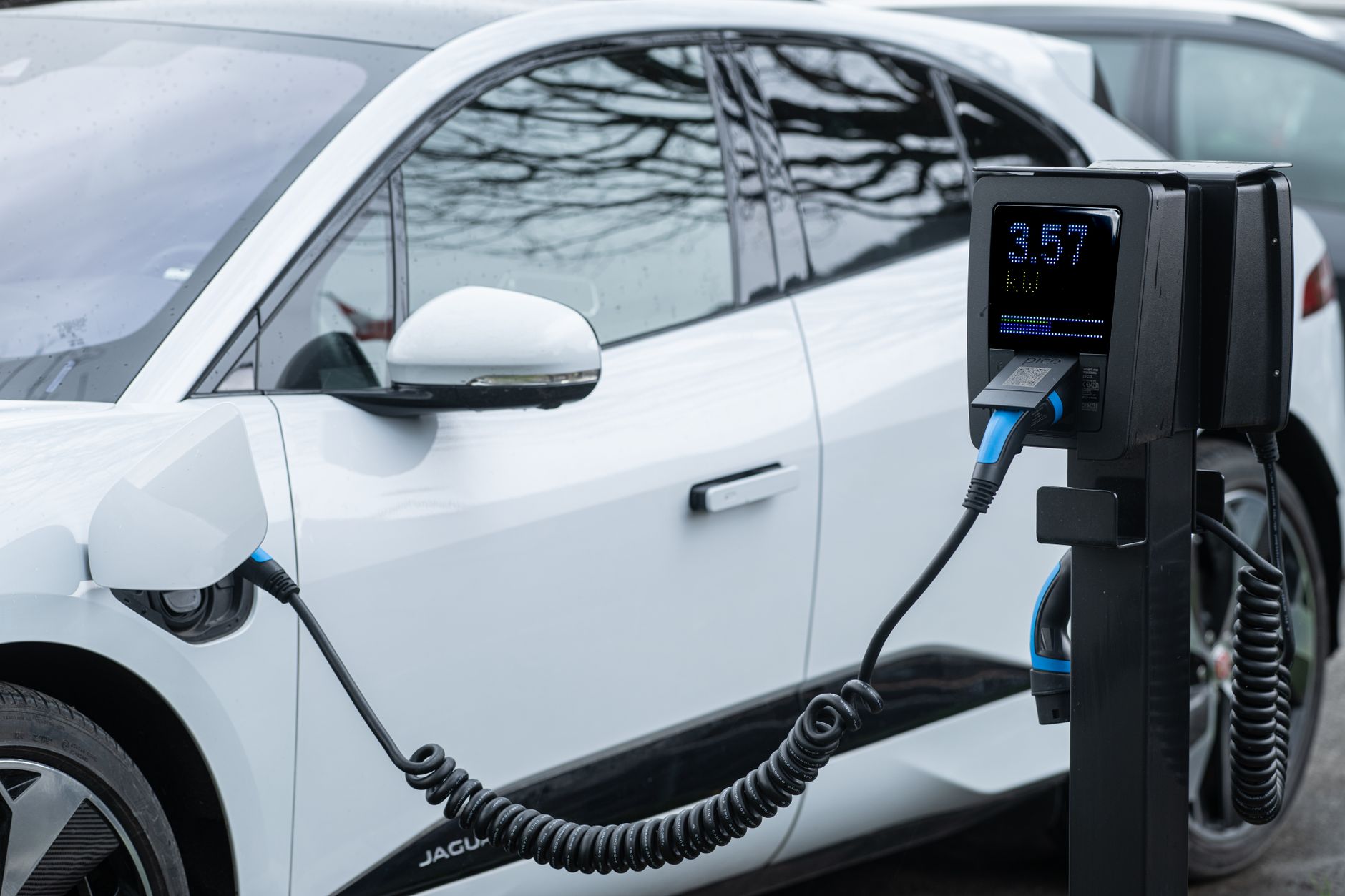
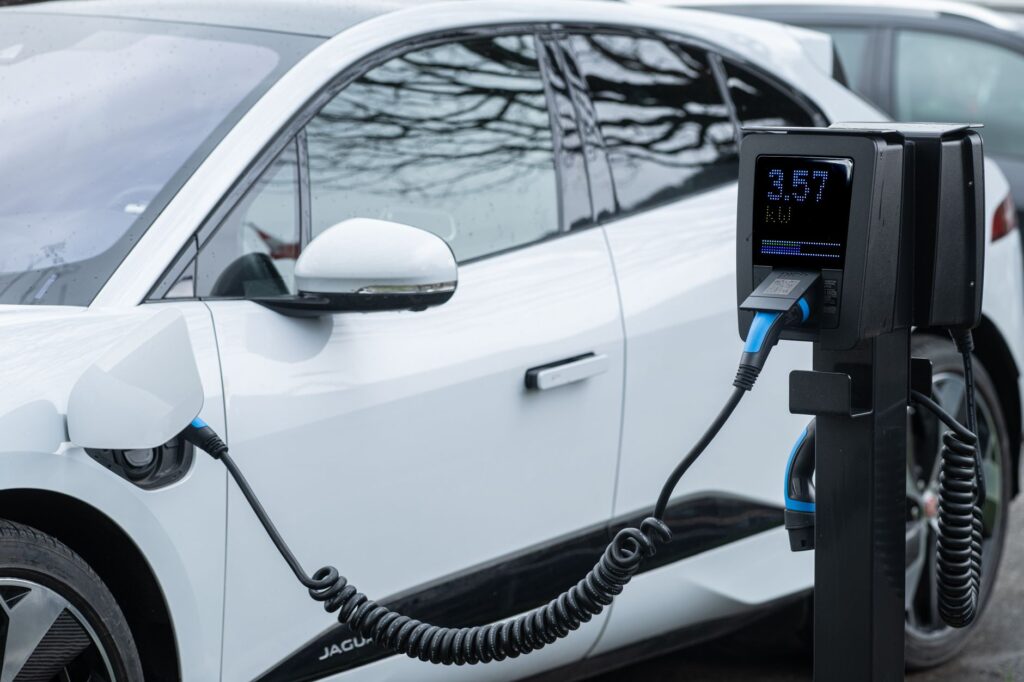
JLR India EV launch is on track for 2027, coinciding with a significant expansion of the charging network. This initiative aims to support the growing demand for electric vehicles in the region.
JLR India is setting the stage for a transformative future with its ambitious EV strategy aimed at launching a series of electric vehicles by 2027. This initiative aligns with the company’s commitment to sustainable mobility and reducing carbon emissions across its product lineup.
The strategy includes:
By aligning its operations with the evolving automotive landscape, JLR India is poised to be a key player in the electric vehicle market. The JLR India EV launch represents not just a product introduction, but a comprehensive approach to sustainable driving.
As JLR India gears up for its EV launch, the company is prioritizing the expansion of its charging infrastructure across the nation. This initiative is crucial for supporting the anticipated growth in electric vehicle adoption by 2027.
To facilitate this transition, JLR India plans to implement a multifaceted strategy that includes:
With these efforts, JLR India is not only preparing for its EV launch but is also laying a robust foundation for a sustainable future in the automotive industry.
The launch of JLR India EV is poised to significantly impact the adoption of electric vehicles across the country. As JLR invests in a robust charging infrastructure, consumers are likely to feel more confident in transitioning to electric mobility.
Several factors may contribute to the acceleration of EV adoption:
Overall, the JLR India EV launch is expected to play a crucial role in shaping the future of electric mobility in the region.
As JLR India gears up for its EV launch, consumer expectations for 2027 continue to evolve. With a commitment to sustainability and innovation, JLR aims to meet the demands of a growing market that prioritizes eco-friendly transportation.
Key factors shaping consumer expectations include:
With these factors in mind, JLR India’s EV launch is poised to align with consumer expectations, reinforcing its position in the competitive electric vehicle market.
As JLR India gears up for its EV launch, a comparative analysis with competitors reveals key insights into market positioning and strategy. Several automotive companies are racing to establish themselves in the electric vehicle sector, each with unique approaches to innovation and infrastructure development.
Major players in the Indian EV market include:
In contrast, JLR India’s EV launch promises a blend of luxury and sustainability, positioning itself as a premium option within the expanding market. This strategy aims to attract affluent consumers looking for high-end electric vehicles while ensuring a competitive edge against established rivals.
The Indian government has been a crucial supporter of electric vehicle (EV) initiatives, providing a framework that significantly benefits the JLR India EV launch. Various policies have been implemented to encourage the transition to electric mobility, which aligns with JLR’s vision for 2027.
Key government measures include:
These supportive policies not only help JLR India in its EV launch but also pave the way for a robust ecosystem that encourages manufacturers and consumers alike to embrace electric vehicles. With the government backing, the path for a successful launch in 2027 looks promising.
The future of electric mobility in India looks promising, especially with the upcoming JLR India EV launch set for 2027. As the country moves towards sustainable transportation, several factors will drive this transformation.
With these elements in play, the landscape for electric vehicles in India is set to change dramatically in the coming years. The commitment from companies like JLR and the support from the government signal a robust shift towards a more sustainable future.
The JLR India EV launch is expected to set a benchmark for electric vehicle adoption in the country. With a strategic focus on infrastructure and sustainability, the JLR India EV launch aims to align with the best plan for 2027.
Photo by smart-me AG on Pexels
Old EPF Account: Simple Steps to Get Your Money Back · Honda hybrid production: Best proven strategies for success · Is the EV car-sharing program the Best Solution for New Jersey?