Delhi EV Policy: The Best Guide to 2026 Changes
The Delhi EV policy is set to transform the electric vehicle landscape by 2026, with a staggering 12,584 applications for e-two-wheelers. This surge signals a growing interest in sustainable transportation.
Overview of the Delhi EV Policy
The Delhi EV policy aims to accelerate the adoption of electric vehicles across the capital, with a particular focus on reducing pollution and fostering sustainable transport solutions. Launched in 2020, the policy has undergone several revisions and is set to implement significant changes by 2026.
One of the key aspects of the policy is to provide financial incentives for consumers and manufacturers. These incentives include:
- Subsidies for purchasing electric two-wheelers and cars
- Tax exemptions and rebates for EV manufacturers
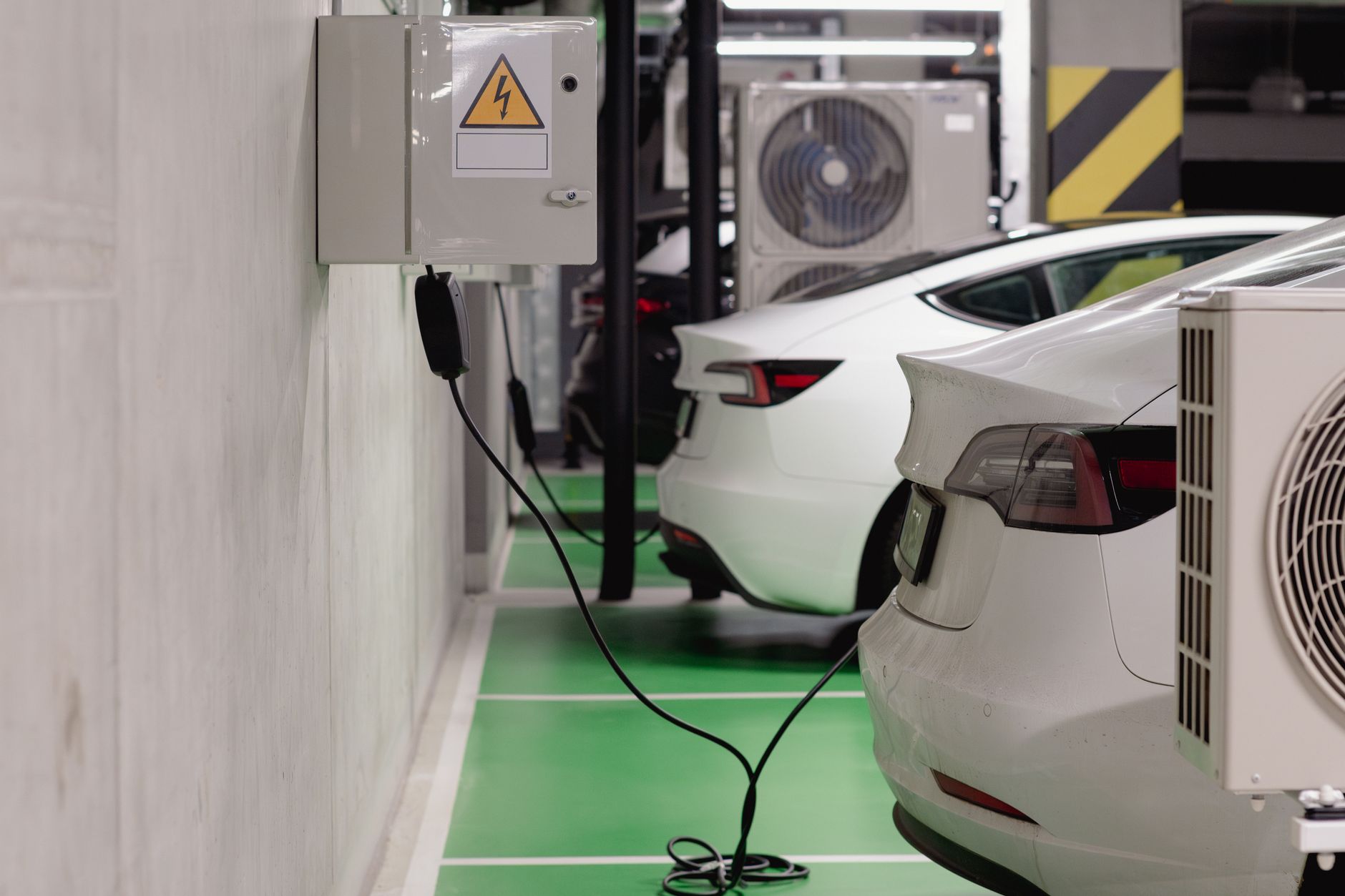
- Investment in charging infrastructure to support electric mobility
As of now, the response has been largely positive, with reports indicating over 12,584 applications for electric two-wheelers. However, the policy has yet to see traction in the electric auto segment, with zero applications reported for electric autos. This discrepancy highlights the need for more targeted measures to encourage broader adoption among diverse vehicle categories.
With ongoing developments, the Delhi EV policy remains a crucial factor in shaping the future of transportation in the city, aiming for a more sustainable and cleaner environment.
Impact on Electric Two-Wheelers
The Delhi EV policy is set to significantly impact the market for electric two-wheelers in the coming years. With a focus on sustainability, the policy aims to encourage more residents to adopt electric vehicles, particularly two-wheelers, which are a popular choice in urban areas.
As of now, the policy has received 12,584 applications for electric two-wheelers, indicating a growing interest among consumers. This surge in applications highlights the effectiveness of the incentives provided under the Delhi EV policy, which includes subsidies and reduced registration fees.
However, it is important to note that there have been zero applications for electric autos, suggesting a potential gap in the market or lack of awareness among consumers regarding these vehicles. This discrepancy raises questions about the overall effectiveness of the policy across different vehicle categories.
Moving forward, stakeholders in the electric vehicle sector are encouraged to promote the benefits of electric autos while continuing to support the transition to electric two-wheelers. The impact of the Delhi EV policy on the two-wheeler segment is expected to shape the future of urban transportation in the capital.
Current Application Statistics
The current application statistics for the Delhi EV policy reveal a significant trend in the adoption of electric vehicles. As of now, a total of 12,584 applications have been submitted for electric two-wheelers, highlighting the growing interest among consumers in transitioning to eco-friendly transportation options. This surge in applications indicates a positive response to the incentives provided under the Delhi EV policy, which aims to promote electric mobility and reduce pollution levels in the city.
However, the statistics also show a stark contrast when it comes to electric autos, with zero applications filed for this category. This discrepancy raises questions about the challenges faced by potential adopters of electric autos, including factors such as cost, infrastructure, and consumer awareness. The Delhi EV policy has been instrumental in supporting electric two-wheeler adoption, but its impact on the electric auto segment remains to be seen.
As the deadline for the current policy approaches, stakeholders are keenly observing these application trends to assess the overall effectiveness of the Delhi EV policy and its implications for future developments in the electric vehicle market.
Future of Electric Autos
The future of electric autos in Delhi appears promising, yet it remains uncertain amidst the evolving landscape of the Delhi EV policy. As the city shifts focus towards sustainability, the expected changes by 2026 aim to reshape the electric vehicle market significantly.
Currently, electric autos have not seen the same fervor in applications as electric two-wheelers. With a mere zero applications reported for electric autos, stakeholders are keen to understand the components that will drive interest in this segment.
Key factors influencing the future of electric autos include:
- Incentives: The Delhi EV policy is anticipated to introduce enhanced financial incentives for electric auto manufacturers and buyers.
- Infrastructure Development: Improved charging infrastructure will play a critical role in boosting consumer confidence.
- Regulatory Support: Government regulations aimed at promoting electric autos will be essential in attracting investments.
As the 2026 deadline approaches, the Delhi EV policy will likely evolve, reflecting the needs of the market and paving the way for electric autos to flourish alongside their two-wheeled counterparts.
Government Incentives for EVs
The Delhi EV policy has introduced several government incentives aimed at promoting the adoption of electric vehicles (EVs) across the capital. These incentives are designed to make EVs more accessible and affordable for the general public. Key government initiatives include:
- Financial Subsidies: Buyers of electric two-wheelers can receive substantial subsidies, making the initial purchase price significantly lower. This financial support aims to encourage more residents to transition to electric mobility.
- Tax Exemptions: Under the Delhi EV policy, customers are exempt from paying road tax and registration fees for electric vehicles, further enhancing the appeal of EV ownership.
- Charging Infrastructure Development: The government has committed to expanding the charging infrastructure, ensuring that residents have convenient access to charging stations, which is critical for the widespread adoption of EVs.
- Incentives for Fleet Operators: Special incentives are also available for fleet operators who choose to convert their vehicles to electric, promoting sustainability in public transportation.
As the capital moves towards its 2026 targets, these incentives are expected to play a crucial role in shaping the landscape of electric mobility under the Delhi EV policy.
Challenges Ahead for EV Adoption
The Delhi EV policy aims to accelerate the adoption of electric vehicles in the capital, but several challenges remain that could hinder progress in the coming years. One significant hurdle is the infrastructure deficit. Although the government is investing in charging stations, the current availability is still inadequate for a growing number of electric vehicles.
Another challenge is the public perception of electric vehicles. Many consumers still harbor doubts about the reliability and performance of EVs compared to traditional vehicles. These concerns can affect demand and, consequently, the overall success of the Delhi EV policy.
Additionally, the cost factor plays a crucial role. While government incentives help reduce the initial investment, the long-term savings are not always clear to potential buyers. This uncertainty may deter prospective EV purchasers.
Moreover, the recent statistic showing zero applications for electric autos underscores the uphill battle for broader acceptance. As the Delhi EV policy evolves, addressing these challenges will be essential to ensure the successful adoption of electric vehicles and to meet the ambitious goals set for 2026.
Public Response to the Policy
The public response to the Delhi EV policy has been largely positive, especially among electric two-wheeler enthusiasts. With the introduction of the policy, there has been a significant uptick in applications for electric two-wheelers, showcasing a growing interest in sustainable transportation options.
As of the latest reports, more than 12,584 applications have been filed for electric two-wheelers, reflecting a strong consumer shift towards electric mobility. However, the response for electric autos has been less enthusiastic, with reports indicating zero applications at this time. This disparity has raised questions about the challenges facing the electric auto segment.
Many citizens appreciate the government’s efforts to incentivize electric vehicle adoption, believing that the Delhi EV policy will contribute to reduced pollution levels and a cleaner environment. On social media platforms, discussions are rife about the potential benefits of EVs, with users sharing personal experiences and advocating for further enhancements to the policy.
Overall, while the enthusiasm for electric two-wheelers is evident, the mixed response in the electric auto sector suggests that more work is needed to educate the public and address barriers to adoption.