 11
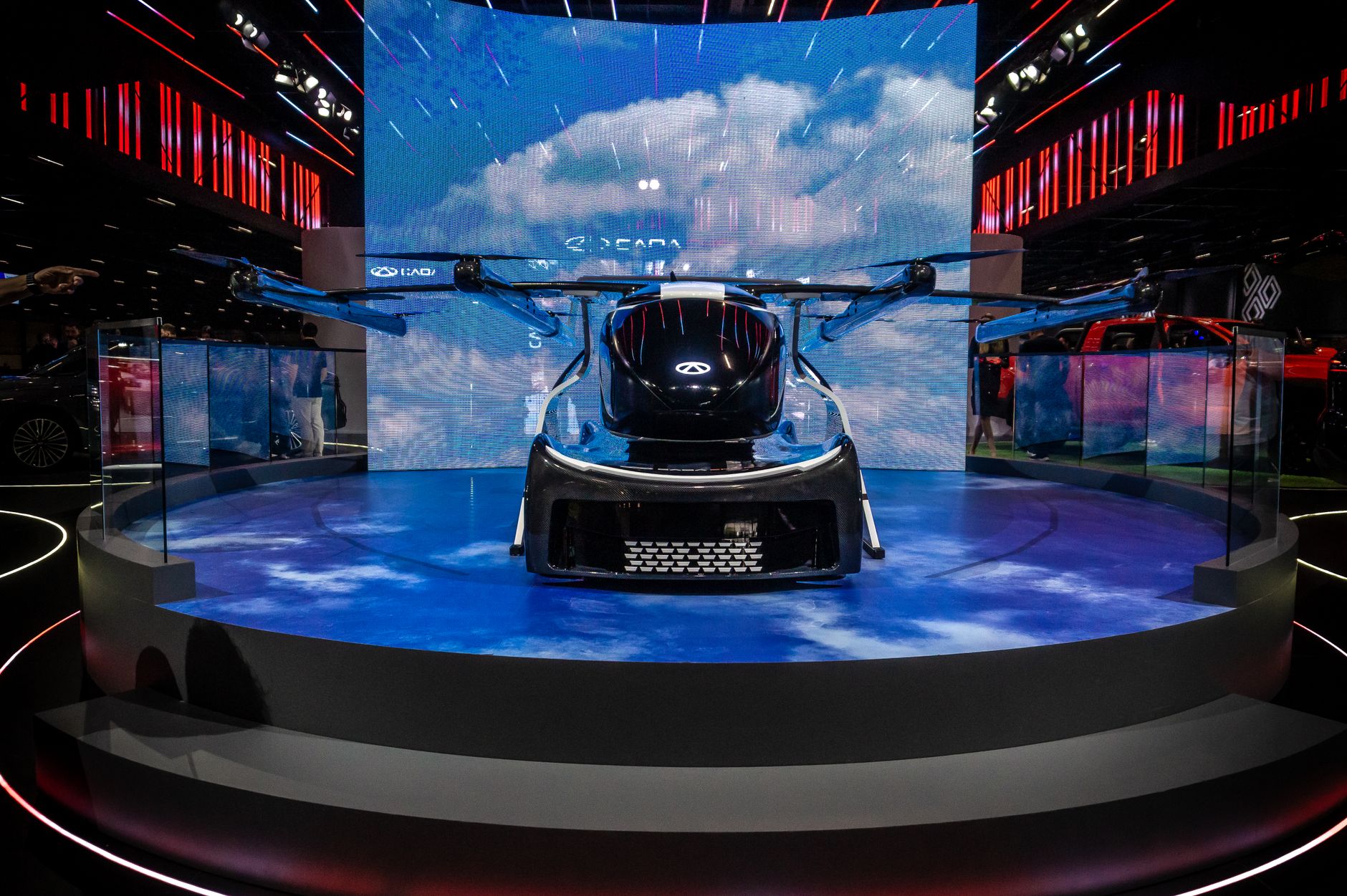
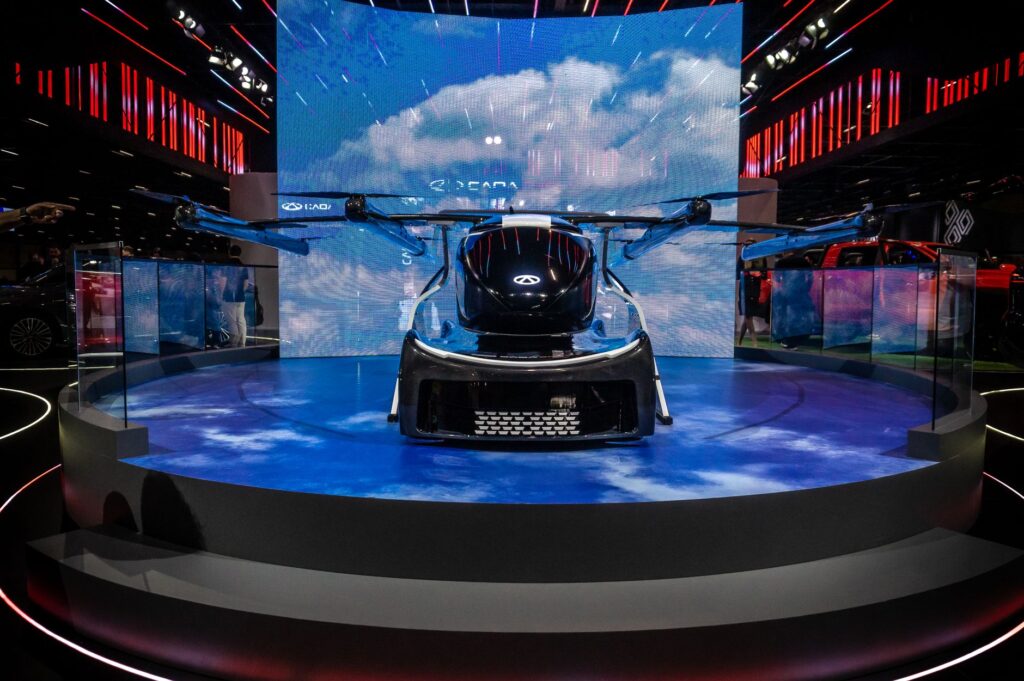
Xpeng flying car unit Aridge is set to revolutionize transportation with a commercial launch planned for summer 2027. With 7,000 preorders already secured, this innovative vehicle is generating significant excitement.
The highly anticipated launch of the Xpeng flying car has generated significant excitement within the tech and automotive industries. Xpeng, a leader in electric vehicle innovation, has established a dedicated unit for its flying car project, known as Aridge. This unit is set to revolutionize urban mobility by integrating advanced technology with aerial transportation.
With a target commercial launch date in the summer of 2027, Xpeng’s flying car aims to address the growing demand for efficient and sustainable transit solutions. The vehicle is designed to offer a unique blend of automotive and aerial capabilities, promising to reduce traffic congestion and travel times in densely populated areas.
In a remarkable show of consumer interest, Xpeng has already received 7,000 preorders for the flying car, priced at $300,000 each. This strong demand reflects a burgeoning market for personal aerial vehicles, as potential buyers are eager to embrace the future of transportation.
The Xpeng flying car will feature state-of-the-art technology, including autonomous flying capabilities and a user-friendly interface. As the launch date approaches, Xpeng is focused on finalizing the vehicle’s design and safety features to ensure a reliable and enjoyable flying experience for its customers.
As the countdown to 2027 continues, Xpeng’s flying car is poised to make a lasting impact on the way we think about personal transportation.
The Xpeng flying car, officially named Aridge, is set to revolutionize urban mobility with its impressive array of features. Anticipated for a commercial launch in summer 2027, the Aridge has already garnered significant interest with over 7,000 preorders.
One of the standout features of the Aridge is its vertical takeoff and landing (VTOL) capability, enabling it to operate in congested urban environments without the need for extensive runway space. This innovation allows users to bypass traditional traffic, providing a seamless travel experience.
With these innovative features, the Xpeng flying car is poised to change the landscape of personal transportation.
The anticipation surrounding the launch of the Xpeng flying car has translated into substantial market demand, highlighted by the impressive figure of 7,000 preorders. Priced at $300,000 each, these preorders indicate strong consumer interest and confidence in the innovative capabilities of Xpeng’s Aridge model.
As urban mobility continues to evolve, the potential for flying cars to alleviate traffic congestion and offer faster travel options has captured the imagination of both consumers and investors alike. The preorders reflect a growing trend where individuals are not only seeking convenience but are also eager to adopt groundbreaking technologies that could revolutionize their daily commutes.
According to industry analysts, the strong early interest in the Xpeng flying car could signify a larger shift in the automotive market, pushing traditional manufacturers to explore similar innovations. The demand also emphasizes the importance of regulatory support and infrastructure development, which will be crucial for the successful integration of flying vehicles into existing transportation systems.
As Xpeng gears up for its scheduled summer 2027 commercial launch, the company aims to address both technological and operational challenges associated with flying cars. The initial preorder numbers could serve as a benchmark for future models, shaping the landscape of personal air travel in the years to come.
The anticipated timeline for the commercial launch of the Xpeng flying car is set for the summer of 2027. This timeline follows the company’s strategic development phases and aligns with market demand, as evidenced by the impressive number of preorders received.
Key milestones leading up to the launch include:
As the launch date approaches, both enthusiasts and potential customers are eager to see how the Xpeng flying car will redefine urban mobility. The combination of advanced technology and customer interest is positioning Xpeng to become a leader in the emerging market of aerial vehicles.
The concept of flying cars has long been a staple of science fiction, but advancements in technology are bringing this dream closer to reality. The Xpeng flying car represents a significant leap forward in urban mobility, promising to change the way we think about transportation in the near future.
As cities become more congested, traditional roadways are struggling to accommodate growing populations and increasing vehicle numbers. The introduction of flying cars like the Xpeng model could provide a solution by utilizing the airspace above our urban landscapes. This innovation offers several potential benefits:
Experts predict that as technology evolves, flying cars will become more mainstream, with regulatory frameworks adapting to accommodate this new mode of transport. The Xpeng flying car is not just a glimpse into the future; it represents a pivotal shift in how we envision mobility in our cities. By 2027, this innovative vehicle could redefine our day-to-day journeys, ushering in an era of unprecedented convenience and efficiency.
Photo by Felipe Balduino on Pexels