 11
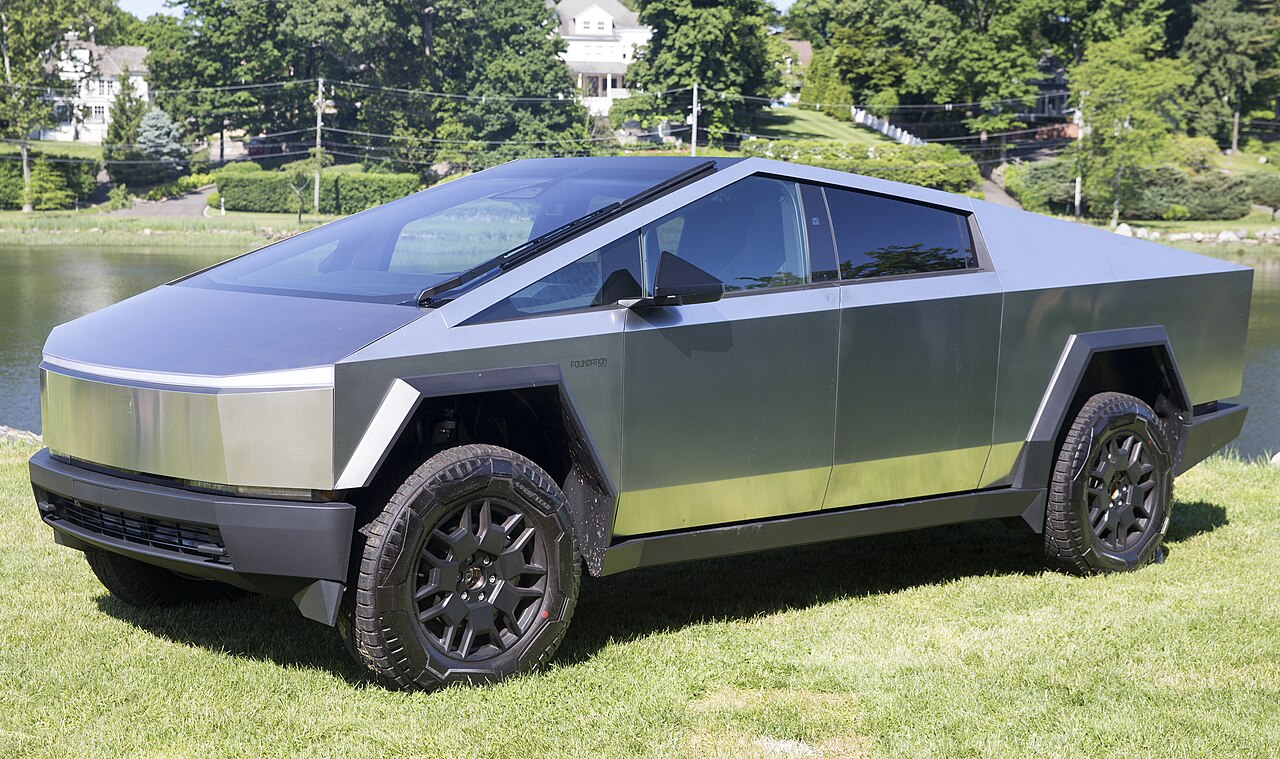
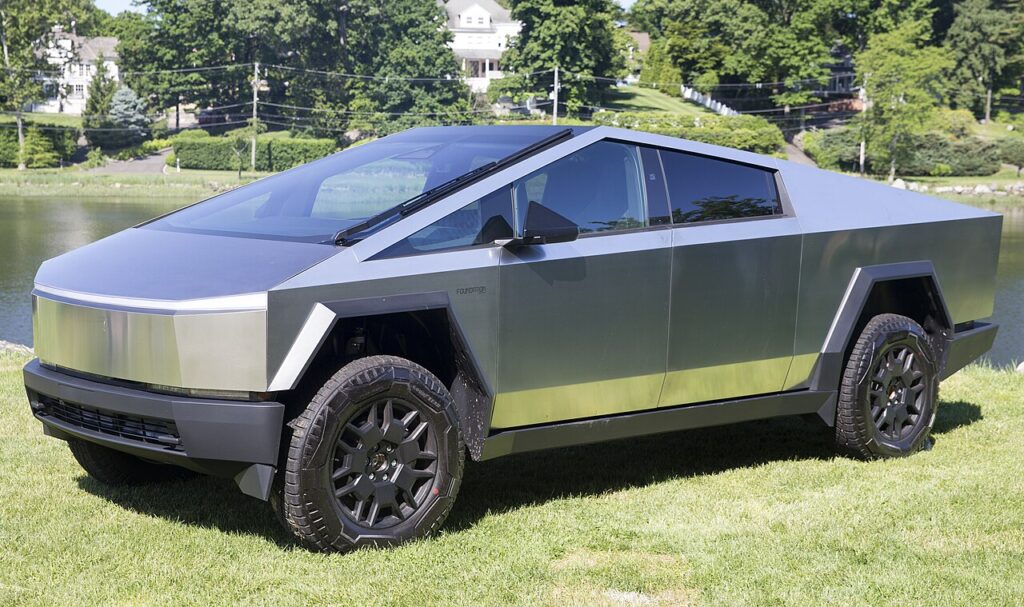
Tesla Cybertruck production is set to end in 2027 as the company faces challenges due to poor sales. This decision raises questions about the future of Tesla’s electric vehicle lineup.
The production of the Tesla Cybertruck has recently come under scrutiny as new sales trends emerge. As the automotive market evolves, the outlook for the Cybertruck appears increasingly bleak.
In a recent report, it was revealed that Tesla’s production is set to end in 2027 due to disappointing sales figures. Industry analysts have noted several factors contributing to this downturn:
As the company shifts its focus, the future of the Tesla Cybertruck production remains uncertain, leading to questions about its long-term viability in an increasingly competitive market.
The recent announcement regarding Tesla Cybertruck production has raised concerns among investors and consumers alike. Several factors contribute to the disappointing sales trends observed in the initial rollout of the vehicle.
These factors collectively point to a challenging future for Tesla Cybertruck production, with analysts predicting a decline in sales if these issues are not addressed promptly.
The future of electric vehicles is increasingly uncertain, as manufacturers grapple with shifting consumer preferences and economic challenges. The Tesla Cybertruck production, once seen as a groundbreaking venture, faces significant obstacles that may hinder its long-term viability.
Several factors contribute to this situation, including:
As the automotive landscape evolves, the future of the Tesla Cybertruck production may depend on the company’s ability to adapt to these changing dynamics.
The impact of the Tesla Cybertruck production on the company’s market position is becoming increasingly concerning. Analysts have noted that the vehicle’s disappointing sales trends could undermine Tesla’s dominance in the electric vehicle sector. As the Cybertruck struggles to gain traction, several factors contribute to this situation:
As the company prepares for the end of Cybertruck production in 2027, the long-term effects on its brand and sales figures remain uncertain.
Consumer reactions to the Tesla Cybertruck have been mixed, with many expressing skepticism about its unique design and functionality. Early adopters had high hopes for the vehicle, but as the Tesla Cybertruck production continues to face challenges, some potential buyers are reconsidering their interest.
Feedback collected from various forums indicates a divide among consumers:
As the launch date approaches, it remains to be seen whether Tesla can shift public perception and boost demand for the Cybertruck.
In the competitive landscape of electric vehicles, the Tesla Cybertruck production faces significant challenges when compared to its rivals. Several competitors, such as Rivian and Ford, have reported strong sales figures and consistent demand for their electric models.
Key factors contributing to this disparity include:
As a result, Tesla’s Cybertruck struggles to capture market share amidst these trends.
As Tesla navigates the challenges surrounding its Cybertruck production, the company faces critical decisions to adapt to market realities. The troubling sales trends indicate that consumer interest has not translated into expected demand, prompting a reevaluation of Tesla’s overall strategy.
Key factors affecting the Cybertruck’s market performance include:
In conclusion, Tesla’s Cybertruck production may need to pivot significantly to remain viable in a rapidly evolving industry. The company’s capacity to adapt will be crucial in sustaining its position as a leader in the electric vehicle market.
via Wikimedia Commons
GIFT Nifty falls: Is this the worst start for markets? · Italjet Dragster 300: The Best Launch Experience at IBW · Volkswagen Virtus Facelift: Best Proven Updates Revealed