 11
11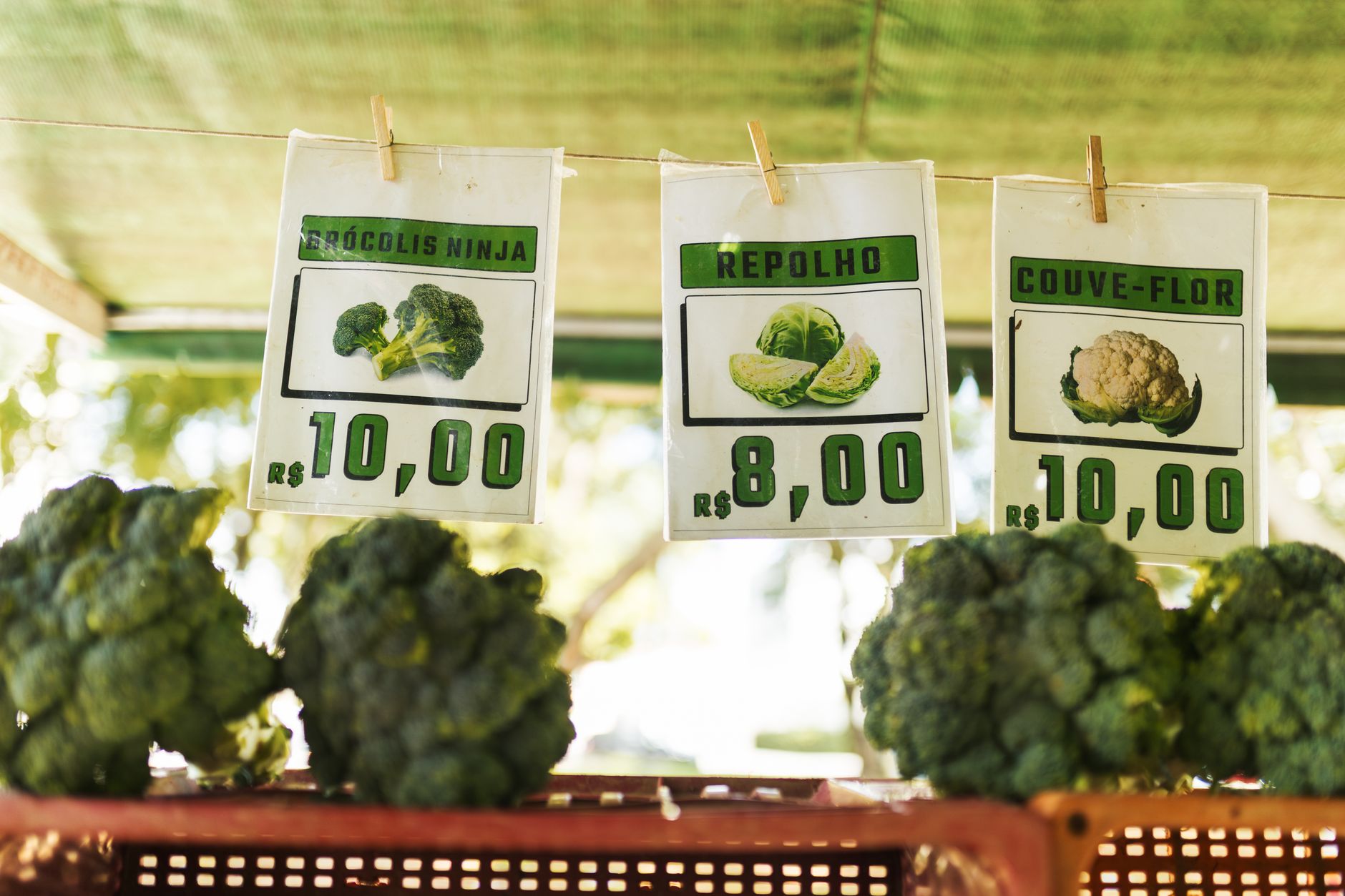
AI grocery price changes are set to impact how much you pay for everyday items. As technology evolves, shoppers need to understand the implications on their budgets.
Artificial intelligence is increasingly influencing the way grocery prices are determined, leading to significant shifts in the shopping landscape. With the advent of AI grocery price changes, retailers are now able to analyze vast amounts of data to adjust prices dynamically based on various factors.
This technology allows grocery stores to respond quickly to market trends, competitor pricing, and customer demand. As a result, shoppers may notice fluctuations in prices that were once stable.
Some of the key aspects of AI’s role in pricing include:
As these AI-driven strategies become more common, understanding their impact on shopping behavior is crucial for consumers.
As artificial intelligence (AI) continues to evolve, its influence on grocery shopping is becoming increasingly evident. One of the most significant changes is in the way prices are adjusted and communicated to consumers. Many grocery chains are now utilizing AI grocery price changes to optimize their pricing strategies, ensuring they remain competitive while maximizing profit margins.
These AI systems analyze various factors, including:
By leveraging this data, retailers can implement dynamic pricing models that may lead to frequent price adjustments. For shoppers, this means that prices can vary not only from week to week but even day to day. While this could lead to better deals on certain items, it also raises concerns about price stability and transparency.
Ultimately, as AI continues to shape the grocery landscape, understanding its impact on pricing will be crucial for consumers navigating this new environment.
The integration of AI technology in grocery pricing is leading to significant changes in how consumers experience shopping, particularly with staple items like the Big Mac. As fast food chains and grocery stores adopt AI-driven pricing strategies, fluctuations in prices can occur more rapidly than ever before.
One of the most notable impacts of AI on grocery price changes is the ability to analyze vast amounts of consumer data, which enables retailers to adjust prices based on demand and purchasing behavior. This means that the price of a Big Mac, for instance, can vary from one location to another, and even throughout the day.
As shoppers become accustomed to these dynamic pricing models, they may find it essential to stay informed about price changes. This new era of grocery shopping could lead to both advantages and disadvantages for consumers, as they navigate the complexities of AI grocery price changes.
As artificial intelligence continues to reshape the grocery landscape, shoppers should stay informed about AI grocery price changes. These changes can significantly influence budgeting and shopping habits.
Here are a few key points to consider:
By understanding these factors, consumers can navigate the evolving grocery market with confidence.
The future of grocery pricing is poised for significant transformation as artificial intelligence continues to advance. With the integration of AI grocery price changes, retailers are expected to leverage machine learning algorithms to optimize pricing strategies dynamically. This predictive analytics will allow them to adjust prices in real-time based on various factors such as demand fluctuations, seasonal trends, and competitor pricing.
As shoppers become more accustomed to personalized pricing, the following trends may emerge:
Overall, the future promises to redefine the grocery landscape, enhancing both the purchasing experience and pricing dynamics.
As AI grocery price changes become more prevalent, consumer reactions have been mixed. Many shoppers express concern about the volatility of prices, feeling uncertain about what to expect during their grocery trips.
While some appreciate the potential for lower prices driven by AI algorithms, others worry about the long-term implications of constant price adjustments. Shoppers often mention:
Despite these concerns, a segment of shoppers remains optimistic, believing that AI could ultimately lead to better deals and personalized pricing tailored to their shopping habits. As the technology evolves, so too will consumer sentiment regarding AI grocery price changes.
Experts are weighing in on the implications of AI grocery price changes, emphasizing both potential benefits and concerns for consumers. According to Dr. Emily Carter, a pricing strategist, “AI has the ability to analyze vast amounts of data, allowing grocery stores to adjust prices dynamically based on demand and competition.” This could lead to more competitive pricing, but it also raises questions about price stability.
Furthermore, Professor Mark Thompson, an economist, warns that “while AI can optimize prices, it may also result in unpredictable fluctuations that confuse shoppers.” He suggests that consumers should be prepared for a shopping experience that may not always reflect traditional pricing models.
Industry analyst Sarah Lee points out that “the transparency of AI-driven pricing is crucial; if shoppers understand how prices are set, they may feel more at ease with these changes.” In summary, as AI continues to influence grocery pricing, shoppers must stay informed about the potential impact on their budgets.
As shoppers navigate the new grocery landscape shaped by AI grocery price changes, they must adapt to fluctuating costs that can affect their budgets. With advanced algorithms analyzing market trends and consumer behavior, grocery prices are becoming more dynamic than ever. This technology allows retailers to adjust prices in real-time, which can result in both savings and unexpected increases for customers.
Shoppers are encouraged to stay informed about how AI influences pricing strategies. Many grocery stores are now utilizing AI tools to offer personalized discounts, which can lead to significant savings for savvy consumers. However, this also means that prices may vary from day to day, making it essential for shoppers to plan their purchases carefully.
Moreover, understanding local market conditions and seasonal variations can help consumers make more informed decisions. As the grocery landscape continues to evolve, being adaptable and aware of AI’s impact on pricing will be key for budget-conscious shoppers.
As consumers adapt to AI grocery price changes, many are beginning to notice shifts in their shopping habits and budgeting strategies. Understanding the implications of AI grocery price changes can help shoppers make more informed decisions at the checkout line.
Photo by Matheus Bertelli on Pexels
Yudh Nashean Virudh: Is This the Best Bike Rally in Punjab? · Volvo ES90 launch: Best Features and Proven Performance · Mercedes-Benz GLE price: The Real Cost in Nashik 2026