 11
11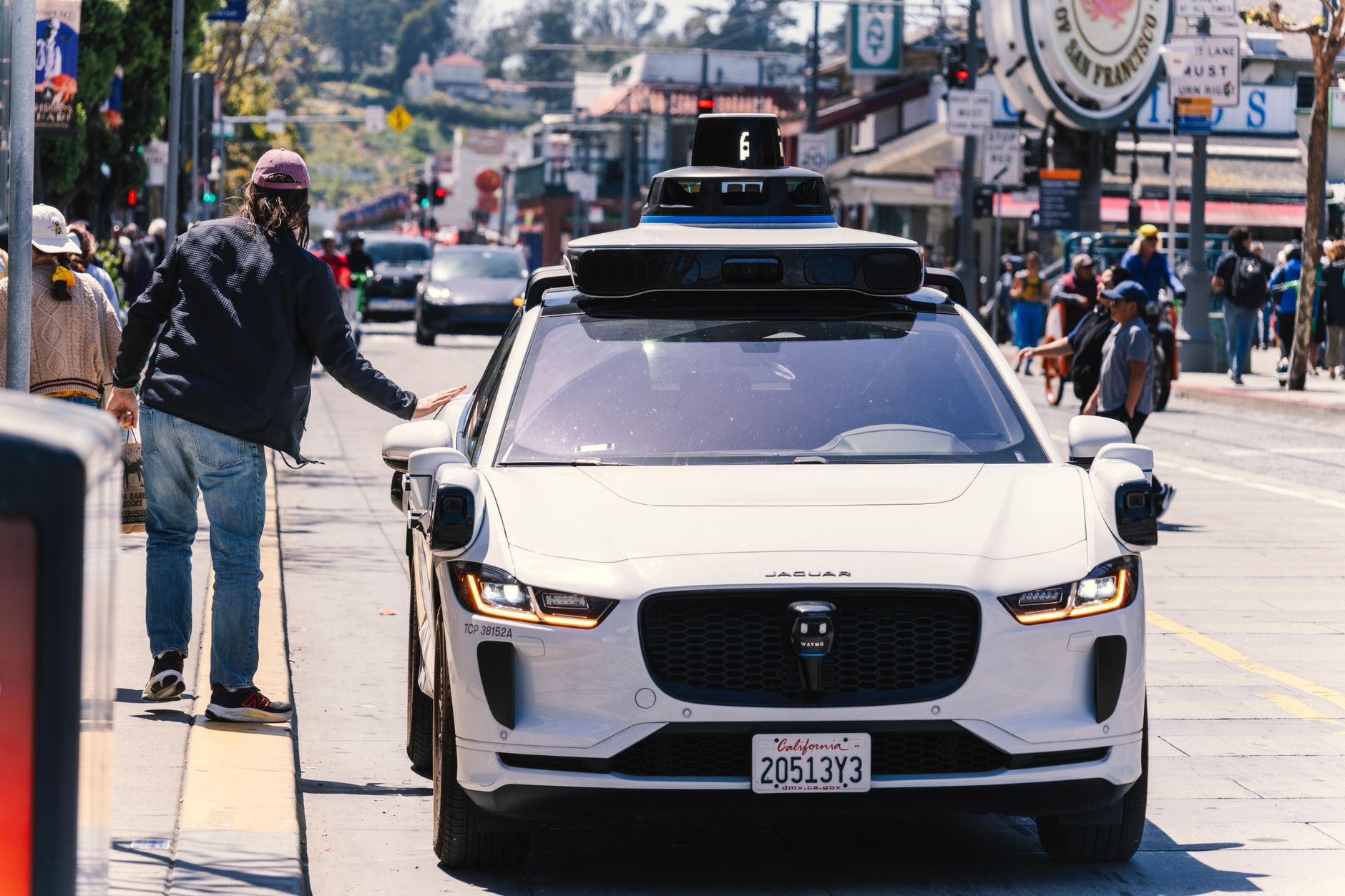
AI school alternative is emerging as a viable option for students seeking modern education. With the launch by Andreessen Horowitz, this innovative approach could reshape how we view traditional college education.
The AI school alternative is an innovative educational model aimed at providing students with practical skills in artificial intelligence and technology. Unlike traditional colleges, this program emphasizes hands-on experience and real-world applications, allowing students to engage directly with industry professionals.
Proponents argue that the AI school alternative better prepares students for the rapidly evolving job market, focusing on skills that are in high demand. Key features of this model include:
As interest in this model grows, many are questioning whether it truly represents the best path for students seeking careers in technology.
In recent years, the rise of technology has prompted many to consider an AI school alternative to traditional education. Here are several reasons why this innovative approach may be appealing:
As more students explore alternatives, the appeal of AI schools continues to grow.
The AI school alternative presents several benefits for students seeking innovative educational pathways. Unlike traditional educational institutions, these AI-driven programs offer personalized learning experiences tailored to individual needs.
Key advantages include:
As education continues to evolve, the AI school alternative could redefine how students approach their learning journeys.
The emergence of the AI school alternative has sparked a debate about its effectiveness compared to traditional college education. Many students are questioning the value of a four-year degree, especially with rising tuition costs and student debt. In contrast, AI schools focus on practical skills and real-world applications, offering a more streamlined path to employment.
Key differences include:
As the job market evolves, the AI school alternative may provide a more relevant education for the demands of the future.
The AI school alternative is designed for a diverse group of learners eager to embrace technology and innovation. Anyone with a passion for artificial intelligence, regardless of their educational background, can apply. This includes:
With its flexible admission criteria, the AI school alternative opens doors for those who may feel limited by conventional educational institutions. This inclusivity aims to empower a wide range of students to thrive in the rapidly evolving tech landscape.
Graduates from the AI school alternative have reported remarkable success in their careers, showcasing the effectiveness of this innovative educational model. Many have secured positions in leading tech companies, often bypassing traditional college degrees altogether.
For instance, one graduate, Jane Doe, landed a role as a machine learning engineer at a major firm just months after completing her program. She credits the hands-on experience and personalized mentorship as key factors in her rapid career advancement.
Similarly, John Smith, another alumnus, started his own AI startup shortly after graduating, highlighting the entrepreneurial spirit fostered by the AI school alternative.
These success stories illustrate the potential of AI-focused education to equip students with the skills and knowledge needed for the evolving job market, making it a viable option for those seeking to thrive in the tech industry.
The future of education is rapidly evolving, with technology playing a pivotal role in shaping how students learn and develop skills. As traditional learning models face scrutiny, the AI school alternative presents a fresh approach that aligns with the demands of the modern workforce.
With the rise of artificial intelligence, educational institutions are beginning to adapt their curricula to include more technology-driven methods. This shift not only enhances engagement but also prepares students for careers in a digital age.
Furthermore, the integration of AI tools in classrooms allows for personalized learning experiences, catering to each student’s unique needs.
As we look to the future, the question remains: will the AI school alternative become the new standard in education?
Photo by Abhishek Navlakha on Pexels
Bentley Torcal Reveal: The Best New Luxury Car Experience · Mahindra Thar AXT variant: Best Features and Proven Value · Bajaj Pulsar NS200: The Best New Variant with TFT Display