 11
11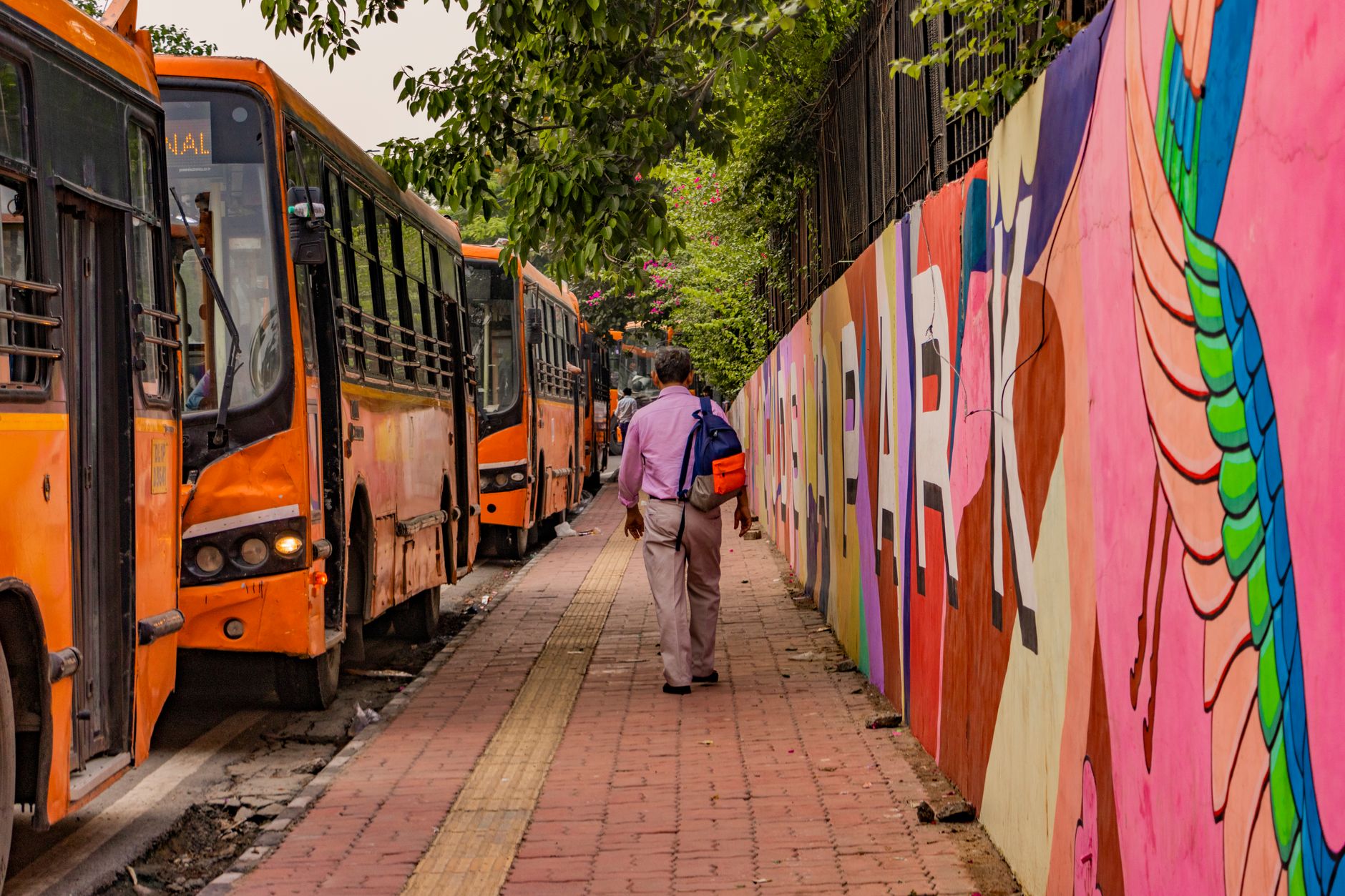
Delhi electric buses are making headlines as the city adds 150 new units and expands its EV charging network. This initiative aims to enhance public transport and promote sustainable energy solutions.
Delhi’s electric bus initiative marks a significant step towards sustainable urban transportation. The city has recently added 150 electric buses to its existing fleet, aiming to reduce pollution and enhance the public transport experience. This move is part of a broader strategy to transition to electric vehicles (EVs) and promote eco-friendly alternatives.
The addition of these buses is complemented by an expansion of the EV charging network across the city. The government plans to establish charging stations at strategic locations to ensure that these electric buses remain operational and accessible. This infrastructure development is crucial for supporting the growth of Delhi’s electric bus initiative.
Among the primary goals of this initiative are:
As cities globally seek innovative solutions to combat climate change, Delhi’s electric buses could serve as a model for other metropolitan areas. However, questions remain regarding their long-term sustainability and the overall effectiveness of the initiative in achieving significant environmental benefits.
The introduction of electric buses in Delhi brings a multitude of benefits that contribute to a cleaner and more sustainable urban environment. As the city expands its fleet of electric buses, residents can look forward to several key advantages.
Overall, the expansion of Delhi electric buses is a pivotal step towards a greener future.
The expansion of the EV charging network in Delhi is crucial for the success of the city’s electric buses. As more electric buses hit the roads, the demand for accessible and efficient charging stations increases. The government has taken significant steps to enhance this infrastructure, ensuring that charging points are available at strategic locations throughout the city.
Recent initiatives include:
As the EV charging network continues to expand, it addresses key concerns about range and accessibility, making Delhi’s electric buses a more viable transportation option. This growth not only supports the operational efficiency of electric buses but also contributes to the overall goal of reducing air pollution and promoting sustainable mobility in the capital.
The introduction of new electric buses in Delhi has sparked a variety of reactions among the public. Many residents express enthusiasm about the potential benefits of these vehicles, citing their environmental advantages and reduced air pollution.
Some key points from the public response include:
As Delhi moves forward with its electric bus initiative, the public’s response continues to shape the conversation around sustainable transportation in the city.
As Delhi embraces its electric bus initiative, it’s essential to compare electric buses to traditional diesel and CNG buses. This comparison highlights the advantages and challenges associated with the shift towards electric mobility in the city.
Ultimately, the transition to Delhi electric buses represents a crucial step towards sustainable urban transport.
The future of electric vehicles in Delhi appears promising, particularly with the continued expansion of the electric bus fleet. As the city adds 150 new electric buses, it not only enhances public transport options but also plays a crucial role in reducing air pollution and carbon emissions. The introduction of these buses is a significant step toward a greener urban mobility solution.
Delhi’s electric buses are poised to set a precedent for other cities across India, showcasing the benefits of embracing sustainable transportation. With an increasing number of charging stations being established, the infrastructure to support electric vehicles is rapidly evolving. This expansion is expected to alleviate range anxiety and encourage more citizens to shift from traditional vehicles to electric options.
Moreover, the integration of electric buses into the public transport system aligns with the government’s vision for sustainable urban development. Local authorities are optimistic about the positive impact these initiatives will have on traffic congestion and public health.
As Delhi continues to innovate and invest in electric mobility, the question remains: can the city fully transition to an electric future? The success of Delhi electric buses may very well shape the trajectory of electric vehicle adoption across the nation.
Delhi electric buses have been introduced as a sustainable alternative to traditional vehicles, aiming to reduce pollution in the city. As more people consider the benefits of Delhi electric buses, their role in the future of urban transportation becomes increasingly significant.
Photo by Shantum Singh on Pexels
Is the Windsor EV Indulge edition the Best Smart Electric Car? · Hyundai Bayon launch: Is it the best compact SUV option? · Kawasaki Z300 launch: Best Timeline for Exciting Release