 11
11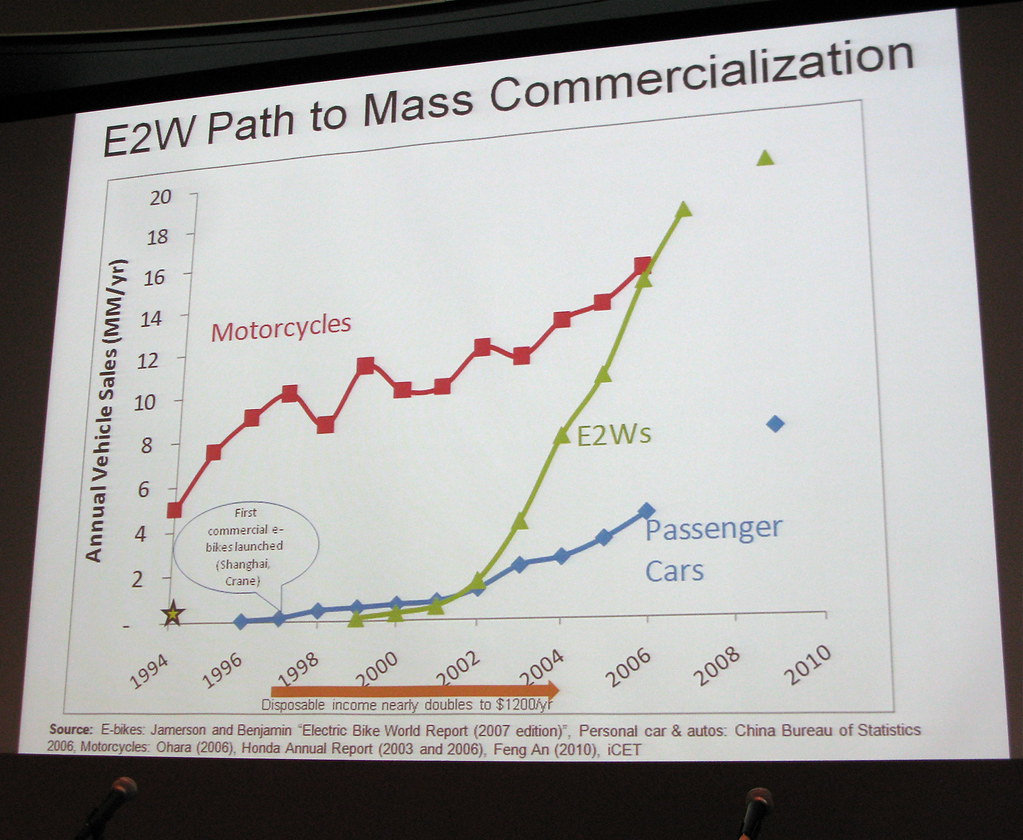
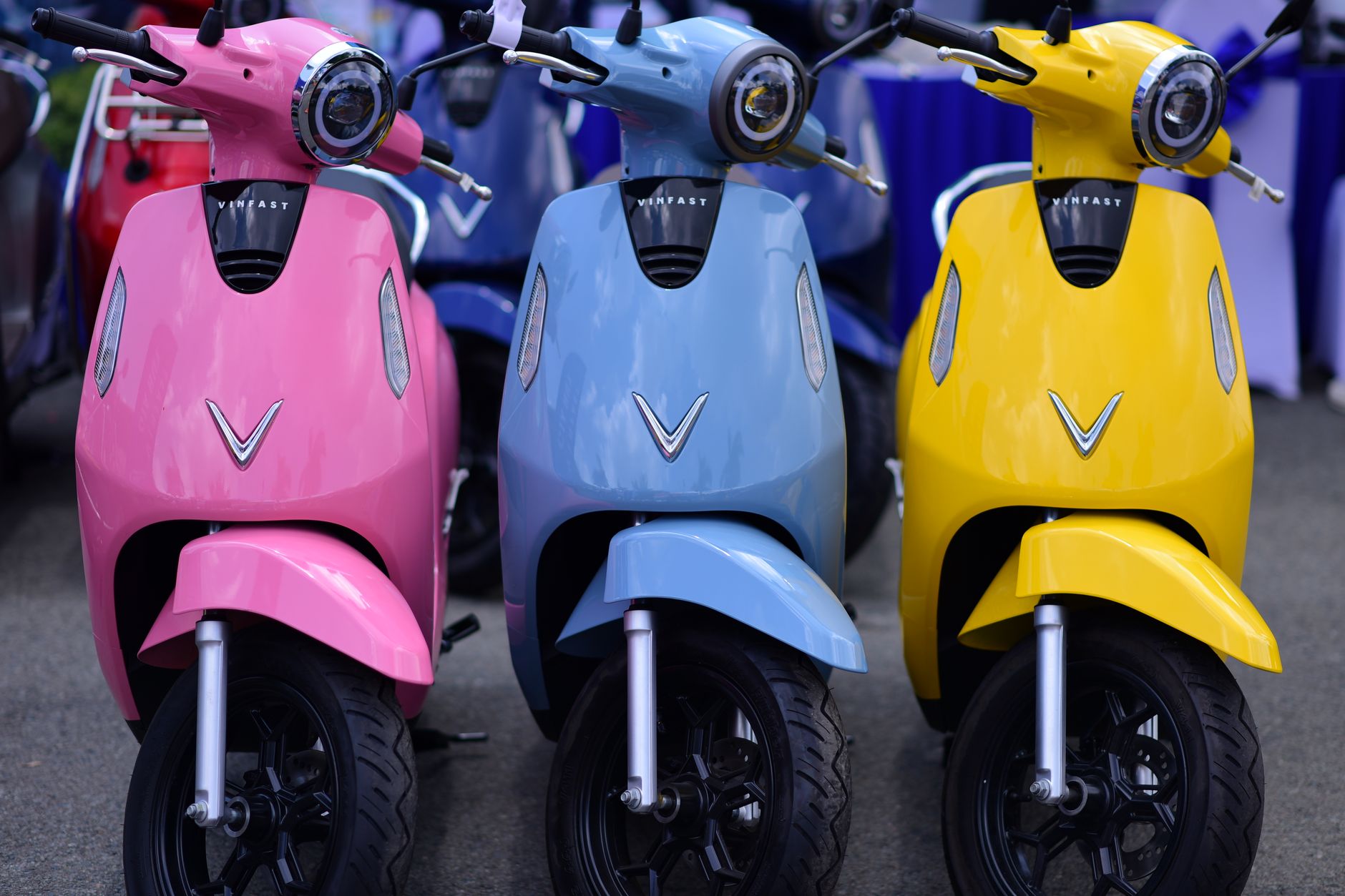
electric 2-wheelers are at the forefront of the incentive chart under the new EV policy, highlighting their significant role in the electric vehicle market.
The EV policy has emerged as a crucial framework to promote sustainable transportation, particularly focusing on electric 2-wheelers. This initiative aims to reduce carbon emissions and encourage a shift from traditional fuel-based vehicles to electric alternatives.
Under the current EV policy, several incentives have been established to make electric 2-wheelers more accessible to consumers. These incentives include:
Despite these incentives, the uptake of scrapping older, polluting vehicles to transition to electric 2-wheelers has not yet gained significant momentum. However, the government’s commitment to enhancing the EV ecosystem indicates a promising future for electric mobility.
As the demand for sustainable transportation continues to grow, various incentives have been introduced to promote the adoption of electric 2-wheelers. These incentives aim to make electric vehicles more accessible and affordable for consumers. Currently, there are several key incentives available under the EV policy:
These incentives have proven effective in boosting the popularity of electric 2-wheelers, making them a viable option for many consumers looking for eco-friendly transportation solutions.
The rise of electric 2-wheelers is significantly transforming the auto industry, pushing manufacturers to adapt to the evolving market landscape. As governments implement various incentives under the EV policy, the competitive dynamics among automakers are increasingly influenced by the demand for cleaner and more efficient vehicles.
One of the most notable impacts of the EV policy is the acceleration of innovation within the industry. Automakers are investing heavily in research and development to enhance battery technology, improve charging infrastructure, and create more efficient designs. This has led to a surge in new entrants into the market, with startups and established companies alike racing to capture consumer interest.
Furthermore, the incentives provided for electric 2-wheelers are encouraging traditional motorcycle and scooter manufacturers to diversify their offerings. Many are now prioritizing electric models in response to changing consumer preferences and the regulatory push for sustainability.
However, the shift is not without challenges. The transition to electric models requires a substantial investment in production capabilities and supply chain adjustments. Additionally, the scrappage of older, non-electric vehicles has not yet gained the expected momentum, which could slow the overall adoption rate of electric 2-wheelers.
As these trends unfold, the auto industry is poised for a significant transformation, with the potential to redefine personal transportation for a more sustainable future.
The transition to electric 2-wheelers is gaining momentum, but the challenge of scrapping old vehicles remains a significant hurdle. Many potential buyers are hesitant to part with their existing two-wheelers, which can lead to a slower adoption rate of newer, eco-friendly models.
One of the primary challenges in encouraging scrapping is the lack of awareness regarding the benefits of disposing of old vehicles. Many owners are unaware of the financial incentives available for trading in their outdated models, which could significantly offset the cost of purchasing electric 2-wheelers. Without effective communication, potential buyers may continue to rely on their old vehicles despite the advantages of switching to electric.
Additionally, there are emotional attachments to old vehicles that can complicate the decision to scrap them. Many owners have fond memories associated with their bikes, leading to reluctance in letting go. This emotional barrier often outweighs the practical benefits of upgrading to electric alternatives.
Furthermore, the current infrastructure for scrapping vehicles is not fully developed in many regions. Without accessible and efficient scrapping facilities, the process can seem daunting, dissuading individuals from making the switch. To promote the adoption of electric 2-wheelers, it is crucial for policymakers to address these issues and create a more supportive environment for vehicle scrapping.
Consumer adoption rates for electric 2-wheelers have shown a marked increase in recent years, driven by a combination of government incentives and growing environmental awareness. Recent studies indicate that sales of electric 2-wheelers have surged by over 40% compared to the previous year, reflecting a strong shift towards sustainable transportation options.
Several factors contribute to this rising trend:
Despite these positive trends, challenges remain in fully transitioning consumers from traditional gasoline-powered vehicles to electric alternatives. However, the momentum gained by electric 2-wheelers suggests a promising future for the sector, as more individuals embrace the benefits of cleaner and more efficient transportation.
The future of electric 2-wheelers looks promising, driven by advancements in technology and increasing consumer awareness. As governments and manufacturers continue to innovate, a significant shift towards sustainable transportation is expected. With the rising concern over climate change, electric 2-wheelers are poised to play a crucial role in reducing urban emissions.
One of the key factors contributing to the growth of electric 2-wheelers is the enhancement of battery technology. Innovations in this area have resulted in longer-lasting batteries, reduced charging times, and improved overall efficiency. As a result, electric 2-wheelers are becoming more attractive to consumers who seek convenience as well as sustainability.
Additionally, various governments are implementing supportive policies aimed at encouraging the adoption of electric vehicles. These policies often include:
As the market evolves, manufacturers are also focusing on design and performance, making electric 2-wheelers not only environmentally friendly but also stylish and fun to ride. The combination of these factors suggests that electric 2-wheelers will become a dominant mode of transport in the coming years, paving the way for a cleaner and greener future.
In conclusion, the current landscape for electric 2-wheelers under the EV policy demonstrates a promising trajectory towards sustainable transportation. The incentives provided are not only helping to boost consumer adoption rates but are also paving the way for a significant transformation in the auto industry. However, the challenge of scrapping old vehicles remains a hurdle that needs addressing to fully realize the potential of electric 2-wheelers.
As we look ahead, several next steps can be taken to enhance the effectiveness of the EV policy:
By addressing these areas, stakeholders can ensure that the momentum for electric 2-wheelers continues to build, leading to a cleaner and more efficient transportation system for all.
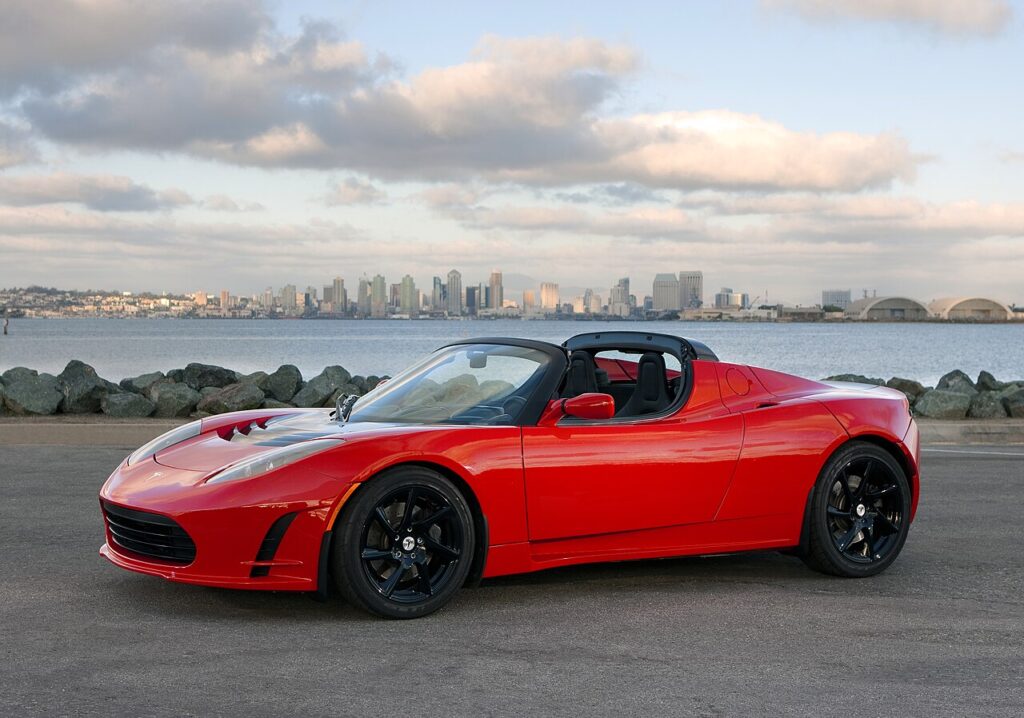
By jurvetson via Openverse