 11
11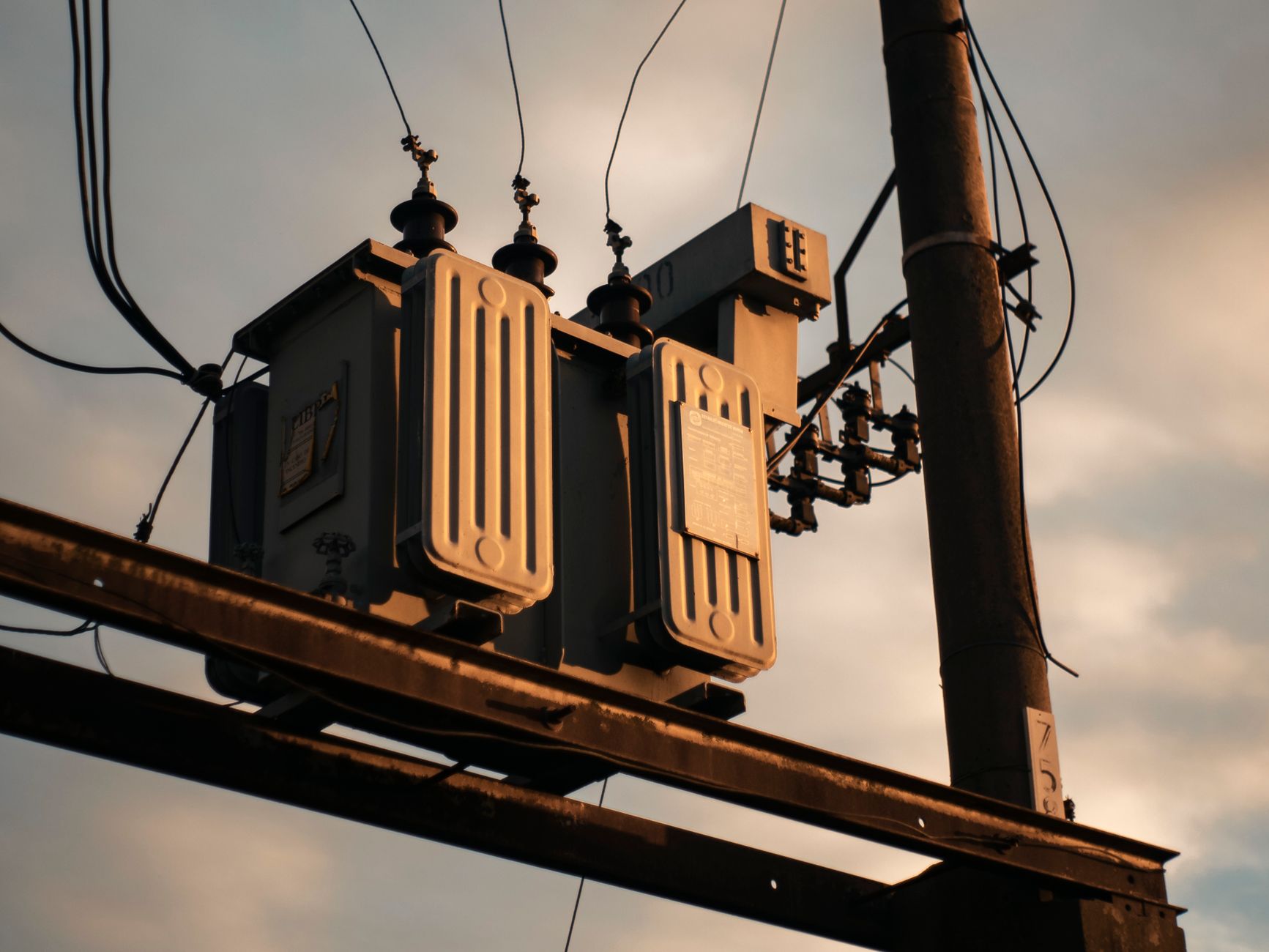
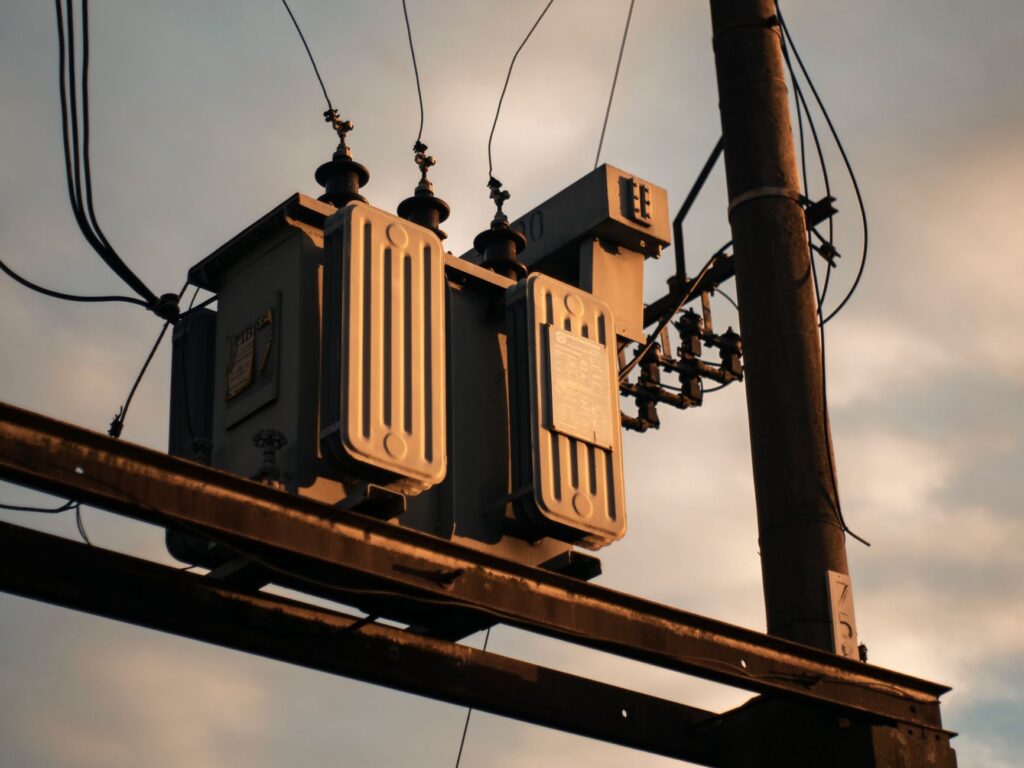
Wound Type Current Transformer plays a crucial role in modernizing the grid and meeting the increasing demand for EV charging. This article explores its significance and growth projections.
The wound type current transformer (WTCT) is gaining attention in various applications, particularly in the context of electric vehicle (EV) charging infrastructure. As the demand for efficient energy management grows, understanding the functionality and advantages of WTCTs becomes crucial.
Wound type current transformers are designed to measure alternating current (AC) by providing a scaled-down replica of the current flowing through a conductor. They are integral components in monitoring and protecting electrical systems, making them essential in grid modernization efforts.
Some key features of wound type current transformers include:
As the shift towards electric vehicles accelerates, the need for effective current measurement solutions becomes increasingly important. With innovations in technology, wound type current transformers are poised to play a pivotal role in supporting the infrastructure necessary for a sustainable future. This suggests that WTCTs may indeed be one of the best choices for advancing EV charging capabilities.
The rise of electric vehicles (EVs) is significantly influencing the demand for advanced technologies, particularly in the realm of power management. One key component in this evolution is the wound type current transformer, which is critical for monitoring and managing the electrical flow during EV charging. As charging stations become more prevalent, the need for accurate and reliable current measurement is paramount.
According to recent market analyses, the surge in EV adoption is expected to accelerate the growth of the wound type current transformer market. This is primarily due to the increased complexities associated with charging infrastructure. As more consumers transition to electric vehicles, the existing power grids must be modernized to accommodate the heightened demand for electricity.
Furthermore, the ability of these transformers to handle higher load capacities makes them suitable for fast-charging stations, which are increasingly popular among EV users. As the market continues to grow, the role of wound type current transformers in ensuring effective EV charging solutions will become even more critical.
As the demand for electric vehicles (EVs) continues to rise, grid modernization has become a critical focus for energy providers. The integration of renewable energy sources and the necessity for efficient energy management systems are driving innovations in grid technology. One of the key components in this modernization is the wound type current transformer, which plays a vital role in monitoring and managing the flow of electricity.
Modern grids require advanced solutions to handle the increased load and variability brought by EV charging stations. To address these challenges, utilities are investing in upgrading their infrastructure, which includes adopting more sophisticated measurement devices such as wound type current transformers. These devices not only provide accurate current measurements but also enhance the efficiency of power distribution.
Several trends are shaping the future of grid modernization:
These trends not only highlight the importance of wound type current transformers but also emphasize the need for a proactive approach to energy management in a rapidly evolving landscape.
As the market for electric vehicles (EVs) continues to expand, the demand for Wound Type Current Transformers is projected to rise significantly by 2035. Several key statistics highlight this anticipated growth:
These statistics not only indicate a robust growth trajectory for Wound Type Current Transformers but also suggest their critical role in supporting the infrastructure necessary for a sustainable and electrified transportation system. Stakeholders in the energy sector are urged to consider these trends as they plan for the future.
The market for wound type current transformers is experiencing significant growth; however, it faces several challenges that could impact its potential. One of the primary obstacles is the high initial cost associated with the installation of these devices. Many consumers and businesses are hesitant to invest in advanced technologies, which may slow down adoption rates.
Additionally, there is a notable lack of awareness regarding the benefits of wound type current transformers among potential users. Many stakeholders in the electric vehicle (EV) sector remain uninformed about how these transformers can enhance the efficiency and reliability of charging infrastructure.
Another challenge is the rapid pace of technological advancements. As newer alternatives emerge, the wound type current transformer may struggle to maintain its competitive edge. For instance, innovations in digital current sensing technologies could provide more cost-effective and efficient solutions, making it difficult for traditional transformers to keep up.
Moreover, supply chain disruptions continue to pose a threat to the availability of essential components needed for manufacturing wound type current transformers. This situation could lead to delays in product delivery and increased costs for manufacturers.
In summary, while the wound type current transformer market holds promise for the future of EV charging and grid modernization, it must navigate these challenges to fully realize its potential.
The future outlook for transformers, particularly the wound type current transformer, appears promising as the demand for electric vehicles (EVs) continues to accelerate. As the global push for sustainable energy grows, the integration of advanced transformer technologies is expected to play a crucial role in supporting this transition.
Innovations in grid modernization are set to enhance the efficiency and reliability of power distribution systems. By implementing smart grid technologies, utilities can better manage the increased load from EV charging stations, ensuring a balanced and stable power supply. As a result, the need for robust and reliable current transformers will grow, positioning the wound type current transformer as a key component in this evolving landscape.
Moreover, advancements in manufacturing processes and materials are likely to reduce costs while improving performance. This could lead to wider adoption of wound type current transformers in both urban and rural settings, catering to the diverse needs of modern electrical grids.
Additionally, with the projected increase in EV adoption, it is essential to consider the environmental impact of transformer production and operation. Companies that prioritize sustainability in their designs and processes may gain a competitive edge, appealing to environmentally conscious consumers and businesses alike.
Overall, the intersection of technological advancement, increasing EV demand, and sustainability initiatives suggests a bright future for wound type current transformers in the energy sector.
The Wound Type Current Transformer offers several advantages that make it a strong contender for electric vehicle applications. Its ability to accurately measure current while maintaining a compact design positions the Wound Type Current Transformer as a potentially optimal solution for EV manufacturers.
Photo by Mario Amé on Pexels
Honda Elevate facelift: Is It the Best Upgrade Yet? · 2026 Toyota Fortuner: The Best Leader Edition with Proven Upgrades · Volkswagen ID. Tiguan EV: Best Proven Features and Specs