 11
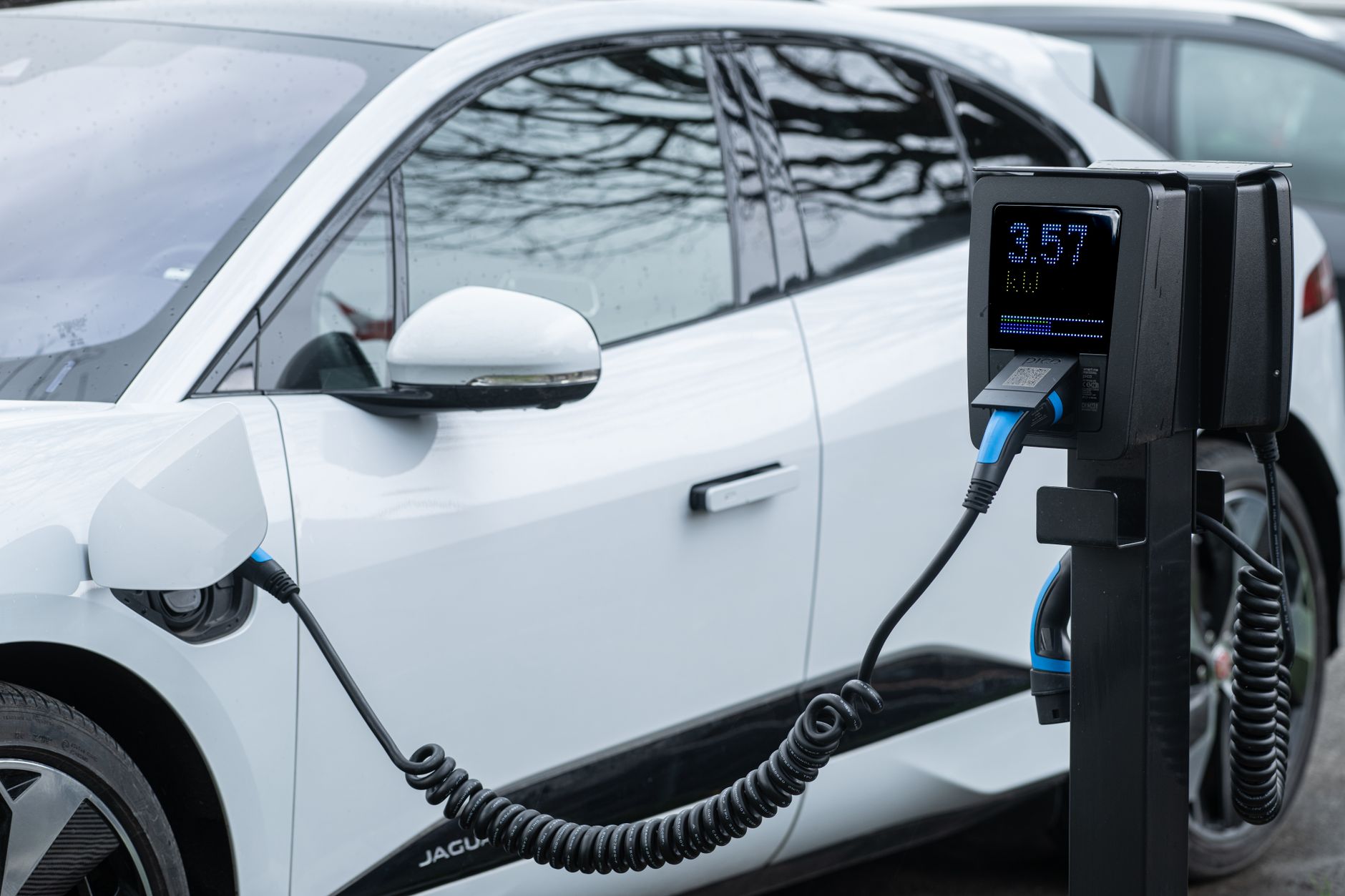
EU auto subsidy rules are becoming a focal point in the automotive sector, as France and Germany push for local manufacturing and R&D requirements. This development could significantly impact the future of electric vehicles in Europe.
The recent development in the European Union highlights a significant shift in the approach towards automotive manufacturing. The new EU auto subsidy rules aim to bolster local production and research and development (R&D) within member states. This initiative has garnered support from major economies such as France and Germany, emphasizing the need for a competitive and sustainable automotive industry.
Key aspects of the EU auto subsidy rules include:
These rules are expected to not only strengthen the EU automotive market but also contribute to the region’s economic resilience in the face of global challenges.
The recent endorsement of the EU auto subsidy rules by France and Germany marks a significant shift towards bolstering local manufacturing within the automotive sector. These rules aim to ensure that a substantial portion of vehicle production and research and development occurs within the EU borders.
One of the primary impacts of these regulations is the potential increase in job creation. As manufacturers are incentivized to establish or expand their operations in Europe, local economies stand to benefit significantly. This shift not only fosters employment but also promotes skill development among the workforce.
Moreover, the EU auto subsidy rules encourage innovation by pushing companies to invest in cutting-edge technologies and sustainable practices. By mandating local R&D, the initiative aims to ensure that European manufacturers remain competitive in the global market, particularly against emerging economies.
In summary, the implications of these subsidy rules extend beyond financial support; they pave the way for a more resilient and self-sufficient automotive industry within the EU.
France and Germany have emerged as strong proponents of the EU auto subsidy rules that emphasize local manufacturing and research and development (R&D). Both nations recognize that these regulations not only bolster their domestic automotive industries but also enhance innovation and competitiveness within the European market.
Key points regarding their involvement include:
In summary, France and Germany’s support for the EU auto subsidy rules showcases their commitment to fostering a robust automotive sector while prioritizing local manufacturing and R&D.
The future of electric vehicles in Europe hinges significantly on the evolving EU auto subsidy rules, which are designed to promote local manufacturing and research and development. As governments across the continent increasingly back these initiatives, the aim is to bolster the region’s position in the global electric vehicle market.
With the backing of major players like France and Germany, the focus on local production is expected to lead to several advantages:
As these EU auto subsidy rules take shape, they will undoubtedly play a crucial role in defining the trajectory of electric vehicles in Europe, ensuring a greener and more economically resilient future.
Photo by smart-me AG on Pexels